Vegan PB & Banana Iced Mocha

mocha-smoothie-ingredients-4

Original author: Brittany | i love vegan
Recipe type: Smoothie
Cuisine: Vegan
Serves: 2

Ingredients
2 frozen bananas
1 cup unsweetened nut milk (use vanilla for extra sweetness)
1 cup iced coffee cubes
¼ tsp vanilla extract
2 tbsp cocoa powder
1 tbsp cacao nibs
1 tbsp dark chocolate chips
1 tbsp natural peanut butter

Instructions
Combine all ingredients and blend until smooth. Enjoy!

mocha-smoothie-688x917

5 Things You Need to Know About Protein

20140408-113600.jpg

Trainers and nutritionists regularly sing the praises of protein—it helps build muscle, stabilizes blood sugar, and increases focus to name just a few benefits—yet there’s still a lot of misinformation floating around.

“Protein is made up of amino acids, it’s the building block of the body. Without it we can’t build all the things that help the body run smoothly—muscle, connective tissue, neurotransmitters, blood cells, hormones,” says Ryan Andrews, R.D., a fitness and nutrition coach with Precision Nutrition. “I get questions about it daily from clients—there’s still some confusion.”

That confusion can lead to dietary missteps that both impact nutrition and result in sacrificing hard-earned muscle. “A lot of people still don’t understand that your amino acid stores are constantly being depleted and if you don’t replenish them, your body can pull from your muscle mass to get the protein it requires,” he says.

Here, Andrews, debunks some common protein myths:

Myth: You should get all your protein for the day in one meal

Fact: I’m asked about this nearly every day, with the majority of people thinking that it’s okay to lump your protein into one meal, like a big steak at the end of the day. But protein intake really needs to be distributed over the course of the day. We only have a limited pool of protein reserves, whereas we have greater reserves of carbs and fat. Think of it like a sink that you’re trying to keep full, but there’s no plug in the drain—you need to replenish your protein stores as they get depleted. Try to get some with each meal.

Myth: You have to consume animal proteins to really get enough protein

Fact: Many people still think plant proteins don’t count, but plant foods contain all of the necessary amino acids in varying proportions. Foods like black beans, lentils, black-eyed peas, quinoa, buckwheat, oatmeal, almonds, walnuts, and seeds from flax and chia are great sources of protein for any diet. Even if you’re vegan and you get enough of these each day, you won’t be protein deficient.

Myth: You can’t overeat protein

Fact: Lots of people think this is true, but it’s not. A surplus of any nutrient can be stored as fat and lead to undesired weight gain. That said, it’s harder to overeat unprocessed protein-dense foods like meat or eggs than processed carbs and fat, which often have added sugar and salt. If you’re highly active, a good general guideline for the amount you need before you reach that max is 1.5 grams of protein per kilogram of total body weight. Just divide your weight by 2.2 to determine kilograms.

Myth: You need a protein shake immediately after a workout to build muscle

Fact: This idea is based on what’s known as the anabolic window of opportunity—when the body is sponge-like after a workout, absorbing nutrients in order to refill glycogen stores, kick off protein synthesis, and stop protein breakdown. Newer research shows that the window is broader than originally thought. You have up to 2 hours after a workout to kickoff the recovery process. But even more important is the protein you’re getting throughout the day. Are you consistently refilling that pool?

Myth: It’s hard to get enough protein each day

Fact: It’s easier than you think. Dip veggies into bean-based dips like hummus or black-bean dip. Add sliced almonds or a scoop of protein powder to oatmeal, sprinkle sunflower seeds or pumpkin seeds in soups and salads, and put chia and flax in your protein shakes. Another way to sneak more protein into your diet is to add it when you bake. Using protein powder to cut some of the flour in muffins, or adding black beans to brownies and red lentils to cookies will make your snacks healthier overall.

Photography by Christine Han
Article by Wendy Schmind at e.quinox

3-Layer Almond Coconut Chocolate Bars

veganchocolatebar-2155

These bars are bursting with three of my favourite flavours – almond, coconut, and chocolate! How could you go wrong? A soft and nutty toasted almond-oat crust forms the base. If you’ve made my Chilled Chocolate Pie, you can probably attest to how good this press-in crust is! The middle layer is made up of a no-bake almond butter “fudge” enhanced with rice crisp cereal for a wicked crispy texture. The bars are topped with a dark chocolate “macaroon” coating and garnished with big flakes of toasted coconut. I know.

veganchocolatebar-2149

Recipe in the cut

Continue reading

Awesome Easy Lunch Ideas

From this Buzzfeed article, I wouldn’t really eat bread (because gluten) but I really love these as salad /dinner ideas. Yum!

EAT.
How To Make A Delicious Kale-Quinoa Bowl In 20 Minutes

enhanced-buzz-28192-1383534349-6
Quinoa Salad With Cherries and Feta

Miso Sweet Potato and Broccoli Bowl


Raw Kale Salad with Lentils and Sweet Apricot Vinaigrette

Ingredients
2 bunches (about 16 oz) raw curly kale, center ribs and stems removed, washed, dried, and chopped finely
1/4 cup olive oil
1/4 cup apricot preserves
1 1/2 tbsp apple cider vinegar
1 1/2 tbsp freshly squeezed lemon juice
1/2 tsp sea salt
Black pepper to taste
1 cup puy or beluga lentils (substitute brown lentils if they’re what you have), rinsed and picked over
1 cup red cabbage, shredded

Toss everything together, serve.

enhanced-buzz-1397-1383606702-15
Arnold Palmer Sandwich
Combine finely chopped hard-boiled eggs and pickles with mustard and mayonnaise, then spread on a slice of multigrain bread. Combine drained canned tuna, finely chopped celery and onion, mayonnaise and lemon juice, then spread on another slice of bread. Sprinkle with torn basil leaves and assemble.

enhanced-buzz-20930-1383535135-16
Crisp Tuna-Cabbage Salad

One 5-ounce can tuna, drained
2 cups finely chopped green or red cabbage, from about 4 ounces or 1/4 of a small head of cabbage
1/4 cup minced chives, from about 1/4 ounce chives
1 tablespoon mayonnaise
3 tablespoons plain Greek yogurt
Salt and freshly ground black pepper

Shred the tuna with a fork and mix thoroughly with the cabbage. Stir in the chives, mayonnaise, and yogurt. Taste and add salt and pepper to taste. Eat immediately or else refrigerate for up to two days.

enhanced-buzz-19530-1383679952-9
Mashed Chickpea Salad Sandwich
Awesome vegan salad idea!

Ingredients
mashed chickpea salad (recipe serves 3 – 4)
a few slices of your favorite bread
leafy greens
avocado, mashed (optional)

Layer your bottom slice of bread with leafy greens, add your chickpea salad on top. On the underside of your top slice of bread, add some optional mashed avocado (tomato slices would be great too). Cut in half or eat as is.

enhanced-buzz-1435-1383607419-10
Pesto Chicken Rolls
Toss diced roast chicken breast with pesto, diced mozzarella and sliced sugar snap peas. Transfer to an airtight container and pack with a whole wheat hot dog bun.

enhanced-buzz-9708-1383678629-18
Chicken Salad with Apricots and Almonds Sandwich
Ingredients
6 oz boneless, skinless chicken breast
Coarse salt and freshly ground black pepper
1/3 cup 2 percent Greek yogurt
1 tsp Dijon mustard
1 Tbsp minced chives
2 Tbsp dried apricots
2 Tbsp chopped almonds, toasted
2 slices seeded wheat bread, toasted
3 to 4 leaves lettuce

Make the chicken salad: Fill a medium saucepan with water and bring to a boil. Meanwhile, season chicken with salt and pepper. When water boils, reduce heat, add chicken, and simmer until cooked through, 8 to 10 minutes. Remove and let cool. Cut into 1/2-inch pieces. In a bowl, combine yogurt, mustard, chives, apricots, and almonds. Stir in chicken and season with salt and pepper.

Top one slice toast with lettuce and 1/2 the chicken salad mixture. Top with second slice.

Quick ‘n Easy No-Bake Protein Bars

veganproteinbars 8865   Quick ‘n Easy No Bake Protein Bars

Granola bars have to be one of my favourite things to make. I’ve had a soft spot for them since running the bakery. I look back to those days with (mostly) warm, fuzzy memories. Maybe making + shipping 500 bars a week by hand wasn’t ideal, but it was the experience that I enjoyed the most – the process of growing a business and having others enjoy something I created from scratch. I still look back at the pictures and laugh, seeing a 9-foot table buried in packaged bars while I stuck on the front and back label as fast as possible. My mother-in-law used to help assemble all the boxes for me. Some days I’d walk into the living room to see about 200 boxes of various sizes assembled and stacked in towers with all of the shipping envelopes stuck on the top. And then Eric would often help me at night when he got home from work. It takes a village. We’d create an assembly line packing all the boxes with bars, receipts, labels, hand-written thank-yous, business cards, all before sealing them up and attaching the shipping label. It was organized chaos to say the least. Heavy on the chaos part. Ever since I closed the bakery, I’ve had it in the back of my mind that I’d like to open it again some day, if the stars align. We’ll have to see. For now, I still enjoy making granola bars whenever I can just for the heck of it.

veganproteinbarsrecipe   Quick ‘n Easy No Bake Protein Bars

Recipe in the cut

Continue reading

Getting Started : Calorie Counting

Read here for the PN (aka my nutrition bible) scoop on calorie counting

It’s simple, really. All you need is the ability to count to two. And your own hand.

Here how it works:

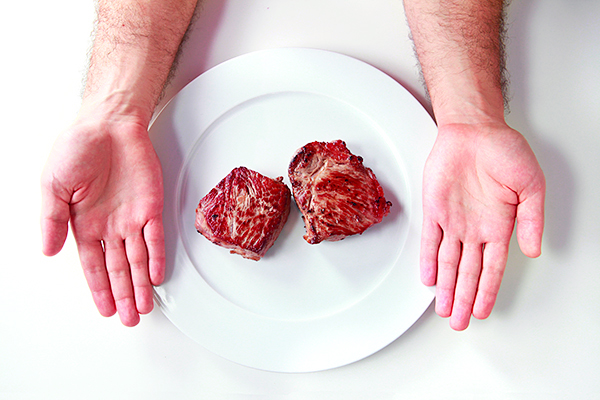
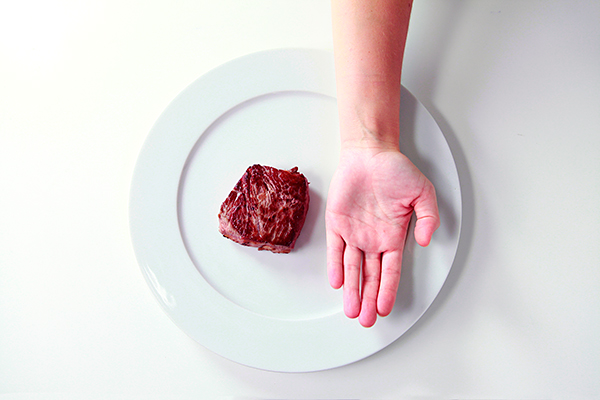
  • Your palm determines your protein portions.
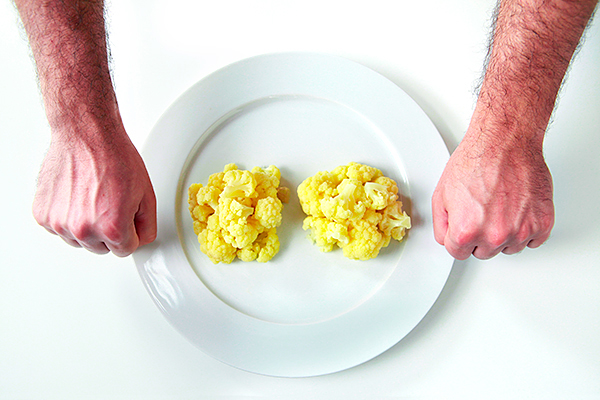
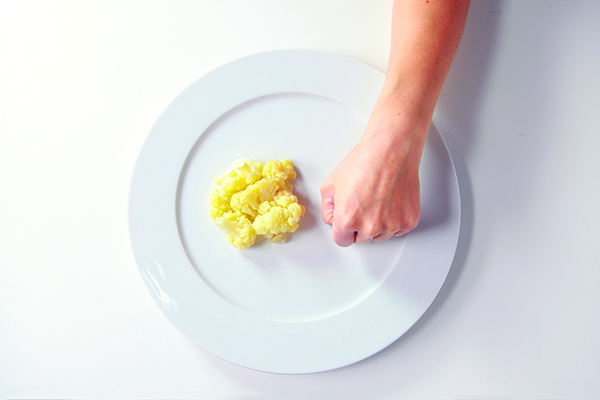
  • Your fist determines your veggie portions.
  • Your cupped hand determines your carb portions.
  • Your thumb determines your fat portions.

To determine your protein intake

For protein-dense foods like meat, fish, eggs, dairy, or beans, use a palm sized serving.

For men we recommend two palm-sized portions with each meal.

Precision Nutrition Palm Sized Portions Steak Example Male Calorie control guide for men and women

And for women we recommend one palm-sized portion with each meal.

Precision Nutrition Palm Sized Portions Steak Example Female Calorie control guide for men and women

Note: a palm-sized portion is the same thickness and diameter as your palm.

To determine your vegetable intake

For veggies like broccoli, spinach, salad, carrots, etc. use a fist-sized serving.

For men we recommend 2 fist-sized portions of vegetables with each meal.

Precision Nutrition Palm Sized Portions Vegetable Example Male2 Calorie control guide for men and women

And for women we recommend 1 fist-sized portion of vegetables with each meal.

Precision Nutrition Palm Sized Portions Cauliflower Example Female Calorie control guide for men and women

Again, a fist-sized portion is the same thickness and diameter as your fist.

To determine your carbohydrate intake

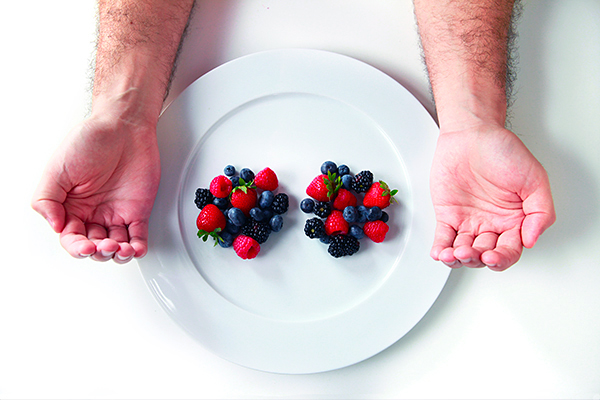
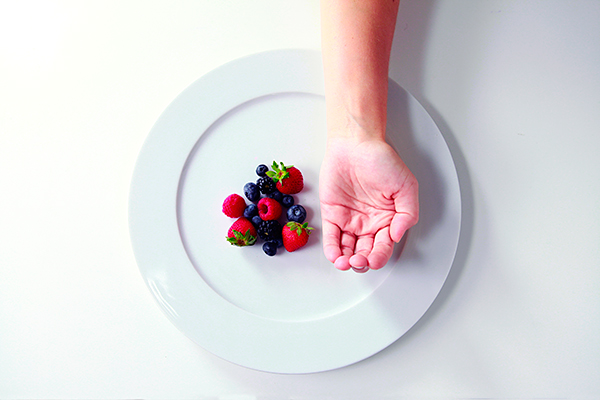
For carbohydrate-dense foods – like grains, starches, or fruits – use a cupped hand to determine your serving size.

For men we recommend 2 cupped-hand sized portions of carbohydrates with most meals.

Precision Nutrition Palm Sized Portions Berry Example Male Calorie control guide for men and women

And for women we recommend 1 cupped-hand sized portion of carbohydrates with most meals.

Precision Nutrition Palm Sized Portions Berries Example Female Calorie control guide for men and women

To determine your fat intake

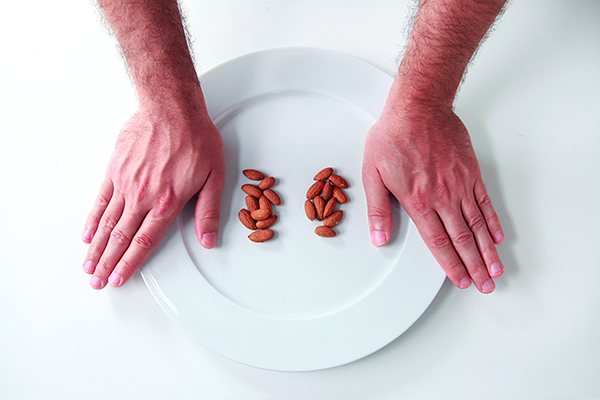
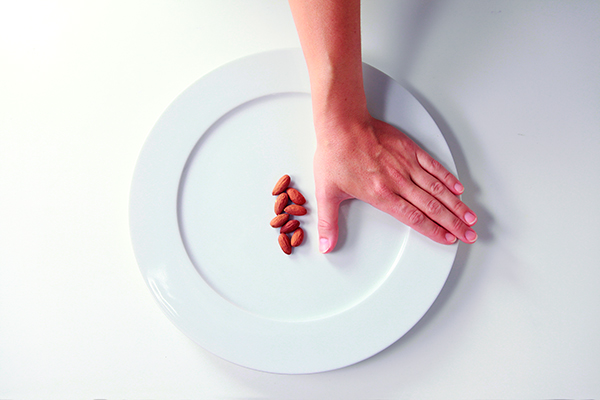
For fat-dense foods – like oils, butters, nut butters, nuts/seeds – use your entire thumb to determine your serving size.

For men we recommend 2 thumb-sized portions of fats with most meals.

Precision Nutrition Palm Sized Portions Nuts Example Male1 Calorie control guide for men and women

And for women we recommend 1 thumb-sized portion of fats with most meals.

Precision Nutrition Palm Sized Portions Nuts Example Female Calorie control guide for men and women

A note on body size

Of course, if you’re a bigger person, you probably have a bigger hand. And if you’re a smaller person… well, you get the idea.  Your own hand is a personalized (and portable) measuring device for your food intake.

True, some people do have larger or smaller hands for their body size.  Still, our hand size correlates pretty closely with general body size, including muscle, bone – the whole package.

Planning your meals flexibly

Based on the guidelines above, which assume you’ll be eating about 4 times a day, you now have a simple and flexible guide for meal planning.

FOR MEN:

  • 2 palms of protein dense foods with each meal;
  • 2 fists of vegetables with each meal;
  • 2 cupped hands of carb dense foods with most meals;
  • 2 entire thumbs of fat dense foods with most meals.

FOR WOMEN:

  • 1 palm of protein dense foods with each meal;
  • 1 fist of vegetables with each meal;
  • 1 cupped hand of carb dense foods with most meals;
  • 1 entire thumb of fat dense foods with most meals.

Of course, just like any other form of nutrition planning — including calorie counting – this serves as a starting point.

You can’t know exactly how your body will respond in advance.  So stay flexible and adjust your portions based on your hunger, fullness, and other important goals.

For example: if you’re trying to gain weight, and you’re having trouble gaining, you might add another cupped palm of carbohydrates or another thumb of fats.  Likewise, if you’re trying to lose weight but seem to have stalled out, you might eliminate a cupped palm of carbohydrates or a thumb of fats at particular meals.

Remember: This is a starting point. Adjust your portions at any time using outcome-based decision making, aka “How’s that working for you?”

How To Talk To Your Daughter About Her Body

How To Talk To Your Daughter About Her Body

Step one: don’t talk to your daughter about her body, except to teach her how it works.

Don’t say anything if she’s lost weight. Don’t say anything if she’s gained weight.

If you think your daughter’s body looks amazing, don’t say that. Here are some things you can say instead:

“You look so healthy!” is a great one.

Or how about, “you’re looking so strong.”

“I can see how happy you are – you’re glowing.”

Better yet, compliment her on something that has nothing to do with her body.

Don’t comment on other women’s bodies either. Nope. Not a single comment, not a nice one or a mean one.

Teach her about kindness towards others, but also kindness towards yourself.

Don’t you dare talk about how much you hate your body in front of your daughter, or talk about your new diet. In fact, don’t go on a diet in front of your daughter. Buy healthy food. Cook healthy meals. But don’t say “I’m not eating carbs right now.” Your daughter should never think that carbs are evil, because shame over what you eat only leads to shame about yourself.

Encourage your daughter to run because it makes her feel less stressed. Encourage your daughter to climb mountains because there is nowhere better to explore your spirituality than the peak of the universe. Encourage your daughter to surf, or rock climb, or mountain bike because it scares her and that’s a good thing sometimes.

Help your daughter love soccer or rowing or hockey because sports make her a better leader and a more confident woman. Explain that no matter how old you get, you’ll never stop needing good teamwork. Never make her play a sport she isn’t absolutely in love with.

Prove to your daughter that women don’t need men to move their furniture.

Teach your daughter how to cook kale.

Teach your daughter how to bake chocolate cake made with six sticks of butter.

Pass on your own mom’s recipe for Christmas morning coffee cake. Pass on your love of being outside.

Maybe you and your daughter both have thick thighs or wide ribcages. It’s easy to hate these non-size zero body parts. Don’t. Tell your daughter that with her legs she can run a marathon if she wants to, and her ribcage is nothing but a carrying case for strong lungs. She can scream and she can sing and she can lift up the world, if she wants.

Remind your daughter that the best thing she can do with her body is to use it to mobilize her beautiful soul.

Processed with VSCOcam with f2 preset


[via Hope Avenue]

Nutrient Timing

You’ve learned about what to eat to meet your health and body composition goals. But what about when you eat it?

What is nutrient timing?

Nutrient timing is a planned alteration of macronutrient intake in order to promote health, workout performance, and get/stay lean.

Nutrient timing strategies are based on how the body handles different types of food at different times. One of the most important nutrient timing principles is that it’s best to eat most non-fruit and veggie carbohydrates during and after exercise.

Many factors influence energy balance, with the laws of thermodynamics being the most important determinants of weight gain and weight loss. Yes, this means how much we eat is priority #1 when changing body composition.

But the key here is “body composition.” If we’re losing equal amounts of fat and muscle when losing weight or gaining equal amounts of fat and muscle when gaining weight, we’re not taking advantage of nutrient timing.

Nutrient timing has several important goals:

  • Nutrient partitioning (where the nutrients go when you ingest them)
  • Improved health
  • Improved body composition
  • Improved athletic performance
  • Enhanced workout recovery

Why is nutrient timing so important?

When you exercise regularly, the body is primed for fat gain or fat loss just as it’s primed for muscle gain or muscle loss during specific times of the day.  The wrong foods at the wrong times sabotage your efforts in the gym. The right foods at the right times enhance those efforts.

Once we account for energy balance, timing nutrient intake can up-regulate metabolism, shift hormonal profile, and alter body composition.

Manipulating nutrient intake can also help someone take advantage of certain anabolic hormones, namely insulin.

INSULIN

Insulin regulates nutrient entry into muscle cells. If insulin is seldom elevated, the muscle growth related benefits won’t occur. If you plan a higher carbohydrate intake at times when your body is better equipped to handle it, insulin will be under your control, and the body will function better.

CARBOHYDRATE USE

The body handles various types of carbohydrates differently. Generally, carbohydrates that are digested and absorbed slowly can help to control insulin response. These are carbohydrates that are higher in fibre and lower in simple sugars, such as beans/legumes and vegetables.

In contrast, a diet consisting of added sugars and refined carbohydrates (which enter the body rapidly), can elevate blood triglyceride levels and bad cholesterol, and lead to insulin resistance.

The raw materials we give our body through the consumption of food/supplements create the metabolic environment we desire.

What you should know

Regardless of goals and activity, protein and fat intake stay fairly constant. Make sure, as per PN habits, that you consume an appropriately sized portion of lean protein and good fats with every meal. The macronutrient we manipulate most commonly in nutrient timing is carbohydrate.

CARBOHYDRATE TOLERANCE AND TIMING

The body can better handle carbohydrates during and after physical activity, as well as when levels of fitness are high and body fat levels are lower (15% or less for men and 20% or less for women).

Therefore, higher-carb situations include some combination of:

  • relatively intense physical activity (such as heavy resistance training or sprinting)
  • relatively frequent physical activity (daily workouts, physically active job, lots of daily-life activity such as walking)
  • a high level of physical fitness
  • a lower level of body fat

Conversely, lower-carb situations include some combination of:

  • sedentary or nonactive periods
  • lower levels of physical fitness
  • higher levels of body fat

For more on this, see the Eating For Your Body Type video and All About Eating for Your Body Type.

Regardless of your body fat and fitness, consuming carbohydrate during this important postworkout period enables us to replace muscle glycogen and improve recovery. Like a sponge, we draw in all that tasty glycogen much more readily immediately after training.

WHEN TO CONSUME CARBS

After exercise, keep the recovery process moving by controlling carb intake and consuming plenty of protein rich foods.

Dense carb foods are best consumed during and after exercise, for up to about 3 hours. And remember, carbohydrates have a protein sparing effect, so we require less dietary protein when carb intake is higher.

Before you break out your sun watch and start meticulously timing carb gram intake, the window here depends on many factors, including:

  • Intensity of exercise
  • Previously fasted/fed
  • Body composition
  • Medications
  • Underlying health conditions
  • Sleep schedule
  • Length of exercise
  • Type of exercise
  • Food selection
  • Time of day

With so many factors, it’s hard to say exactly how long carb tolerance stays high after exercise.  For most folks, though, assume that carb tolerance is best for approximately 3 hours after exercise.  If you sleep 8 hours per night, then factor in this 3 hour post-workout window, you’re left with about 13 hours of “non sponge-like carb tolerance” living, or 2 to 4 meals.

During the “non sponge-like” period, it’s important to adapt your food intake to what you tolerate.  If you are lean and maintaining your current body composition, you’ll likely do fine with some dense carb foods mixed in (25% of your meal or so). If you have fat to lose, focus more on proteins and fats (with dense carb foods making up less than 25% of your meal).

TYPES OF CARBS

To put this in perspective, consider the three main types of carb foods:

1. Fiber-rich carbs

This includes vegetables, fruits and legumes. These foods are absorbed slowly because of their high fiber content and will thus help control blood sugar and hunger. These foods are loaded with nutrients, promote health and are “calorie-dilute”.

Having these foods at the base of your “food pyramid” is a great idea. Eat them anytime.

chili and chocolate All About Nutrient TimingVeggies and beans – smart decision anytime

2. Starchy carbs

Quinoa, amaranth, sprouted grain breads, potatoes, yams, acorn squash, oats, sprouted grain pasta, cereals, and similar foods are very dense sources of carbs. They are a bit lower in nutrients than the fiber-rich carb foods.

These types of starchy carbs are best consumed after exercise. During this time, your muscles are like a big sponge and will use the carbs efficiently. Consume these starchy carbs during the 3 hours or so after exercise.

Remember, energy balance is still important: Keep portion size moderate. Generally a serving is about the size of your fist. That’s a good place to start.

Note: Outside of the 3 hour post-workout window, having a 1/4 cup of sweet potato or wild rice for dinner isn’t going to be a huge carb load for the body to deal with.  If you can meet your compliance goals and keep good eating habits with small amounts of starchy carbs, then go ahead.

But be aware: the slope can get slippery. 1/4 cup can turn into a big bowl with added butter, which might mean overeating and no fat loss 3 weeks later. Use a strategy that works for you.

steel cut oats bowl All About Nutrient TimingWhole grains – smart decision for after workouts

3. Refined sugary carbs

If you want to know what foods fall under this category, just follow around most American youth. The majority of these foods are empty calories and don’t do much for health.

Still, eating them during and immediately after exercise may give your body a quick energy boost and accelerate recovery.

Even then, consider the big picture: what is the food going to do for your health? What other substances are in it?

You could take advantage of refined sugary carb foods by using nutrient dense sources like dates, raisins, figs and nutrition bars.  Don’t assume that because you exercised, you can eat as many refined sugary foods as you want.

Eat sugary carbs rarely, and only after exercise.

t1larg sports drinks1 All About Nutrient Timing

The best time to eat carbs

Consult the chart below to find out when to eat each of the three main types of carb foods.

Carb type Examples When to eat
Fiber-rich Vegetables (e.g., broccoli, kale, spinach, carrots, tomatoes, celery, cucumber, zucchini, beets, bok choy, lettuce, collards, pumpkin, radish, onion, chard, watercress, etc.)
Peas
Beans
Legumes
Most fruits
Eat often, and any time of day (especially for veggies)
Starchy Sprouted grain breads
Corn
Sprouted grain pasta
Yams/sweet potatoes
Quinoa
Amaranth
Oats
Long grain rices
During the 3 hours or so after exercise
Refined sugary Desserts
Fruit juice
Processed foods
Soda
Sports drinks
Most commercial nutrition bars
Dates, figs, raisins, dried fruits
Eat rarely, and during the 3 hours after exercise.

ANYTIME (AT) MEALS VS POST-WORKOUT (PW) MEALS

In our Gourmet Nutrition cookbook and in the Precision Nutrition System, we’ve marked meals as either AT or PW.

Anytime (AT): As the name suggests, these can be eaten anytime of the day. They have little or no refined sugary carbs, and often fewer starchy carbs too. AT meals generally contain less than 25% dense carb foods.

Post-workout (PW): These meals are best eaten in the 3 hours or so after exercise. They contain more than 25% dense carb foods, and occasionally refined sugary carbs.

SAMPLE ANYTIME (AT) AND POST-WORKOUT (PW) MEALS

Check out the following examples of PW and AT meals. These are taken straight from the records of our most successful clients.

Anytime (AT) meals

1 scoop protein powder
1 serving greens powder
1 tbsp peanut butter
Handful mixed nuts
Omega-3 supplement

1/2 cup tri-coloured beans
1 tbsp olive oil
Large salad with seasoning
1/2 cup chopped turkey
Omega-3 supplement

2 free range eggs
1/2 cup black beans
1/2 cup swiss chard
1 cup total green onions, mushrooms, olives
1 oz cheese
Omega-3 supplement

Post-workout (PW) meals

1 cup pineapple or fresh strawberries
1 sprouted grain English muffin with nut butter
2 free range eggs
Omega-3 supplement

1 yam
1 cup black beans
½ cup mixed vegetables
Omega-3 supplement

1 cup oats
1 cup blueberries
1 scoop protein powder
1 serving greens powder
1/2 cup hemp milk
Omega-3 supplement

NUTRIENT TIMING FOR MUSCLE GAIN

Those interested in gaining muscle need a calorie surplus. However, just grossly over-consuming calories regularly will probably result in fat gain.

Nutrient timing helps prioritize muscle gain over fat gain during a muscle gaining phase. Plan meals in accordance with your weekly schedule and create a temporary food surplus.

Summary and recommendations

Nutrient timing is an important strategy, but it’s not for everyone.

If you’re new to healthy eating, don’t worry about timing for now. Start by improving the overall quality of your food and incorporating the basic PN habits into your life. Once you build a foundation of nutritious eating, then consider adding the nutrient timing habit.

If you are lean and simply want to maintain your existing body composition, consuming more carbohydrates throughout the day will likely be fine.

If you want to lose body fat, first control overall food intake, then aim to consume a majority of carb dense foods during and after exercise sessions (for about 3 hours after). Outside of the 3 hour window consume primarily protein and fat, while consuming fewer carb dense foods (25% of less of meal made up of carb dense foods).

If you want to gain muscle, the nutrient timing principles are similar — simply add more calories overall.

In all cases: Assess your progress and adjust as necessary.

For extra credit

  • Nutrient timing strategies aren’t useful for the average North American. Glucose tolerance and insulin sensitivity? I don’t think so. Let’s just taper donut intake first.
  • Nutrient timing may help control leptin and ghrelin levels.
  • Nutrient timing can maximize glycogen stores and improve workouts.
  • Metabolic “up-regulation” doesn’t always scale directly with food intake and too much of any nutrient, regardless of timing, can result in body fat gains. Using nutrient timing while still eating too much food will result in fat gain.
  • If you are physically active all day (e.g. bike to work, physically active job, walk at lunch, weights after work, etc.), then your sensitivity to carbs will likely be enhanced .

[Article by Precision Nutrition]

Recipe : 3 Ingredient Smoothies

A lot of people like smoothies. But few people make them at home. Because think of all the measuring, the effort, the mess.

It doesn’t have to be that way. Pick a few of these recipes, hit the grocery store, then make “smoothie packs” for the whole week by placing measured-out ingredients for each smoothie in a plastic bag. When you need to be refreshed, pull a bag out of the freezer, dump its contents in a blender, and YAY.

enhanced-buzz-3181-1364315110-3

enhanced-buzz-3184-1364315084-3

enhanced-buzz-29906-1364314993-23

enhanced-buzz-29850-1364315066-3

enhanced-buzz-29773-1364315011-13

enhanced-buzz-3183-1364315040-0

enhanced-buzz-30082-1364315126-8

enhanced-buzz-3077-1364315102-0

[via Buzzfeed]

Eat Like A Pro : The Low-Gluten Diet

During Le Tour de France in 2009, team Garmin-Slipstream limited inflammatory foods in their diet to promote optimal recovery from grueling climbs and muscle-burning time trials. Included on the list of inflammatory foods were items containing gluten, a protein in wheat, barley and rye. Gluten is most commonly found in breads, pastas and crackers but it also creeps into foods like soy sauce and chicken broth.

tumblr_mpkobeMSus1qc15nto1_500

Gluten is a large, cumbersome protein that our bodies cannot digest completely. This leads to irritation of our intestinal lining which causes inflammation, and inflammation in the digestive tract leads to an upset stomach. Who hasn’t experienced pre-race jitters with frequent bathroom breaks or bloating? Nearly all athletes have had some gastro-complaint whether it’s heartburn, gas, irregular bowel movements or painful cramps. Limiting gluten could help reduce these symptoms allowing you to experience improved exercise performance and overall well being.

Aside from minimizing stomach complaints, limiting gluten can lead to better digestion and absorption of food. Exhaustive exercise increases nutritional needs and your body needs all of the important nutrients that you consume, which means keeping the intestinal lining strong and absorbent. Irritation in the gut leads to poor absorption of the foods that you eat. Over time this could lead to reduced energy and nutrient deficiencies, both of which negatively impact exercise performance.

Chronic intestinal inflammation also slows recovery from exercise, impedes muscle growth and increases susceptibility to catching colds or viruses. Limiting gluten would reduce inflammation in the body allowing it to work like the well-oiled machine you desire.

Limiting gluten in your diet will hopefully increase the nutritional quality of your food choices. The most common gluten-containing foods in an athlete’s diet are: bagels, pasta, crackers and pretzels. Other items include cookies, pastries, cakes and other high sugar items. These foods do provide carbohydrates–the ever-important nutrient for exercise–but that’s about it. These foods are low in antioxidants, minerals, protein and fiber. They are often empty-calorie foods with unnecessary and unhealthy added fats, sugar, salt and preservatives.

Mix it up: There are plenty of gluten-free, but carbohydrate-rich, foods you can incorporate into your diet. These include:

Fruit
Beans, lentils, hummus, and fat free bean dip
Brown rice, millet, amaranth, quinoa, and buckwheat (and breads, pastas and crackers made from these grains)
Sweet potatoes, winter squash and corn
A diet full of these nutrient dense foods promotes muscle building, lean body composition, a strong immune system and stable blood sugar levels.

Need more help? Here are some examples of gluten-free, carbohydrate-rich meals that can help fuel a workout or promote recovery:

Scrambled eggs with black beans, salsa and a corn tortilla
Brown rice bread topped with almond butter and raspberries
Marinara sauce over spaghetti squash and white beans
Quinoa, millet or amaranth pilaf with nuts, seeds and dried fruit
Salmon salad with grapes, almonds and curry powder

It’s not necessary to completely eliminate gluten unless you have gluten intolerance or celiac disease. One in 133 people have celiac disease, an autoimmune disease in which the immune system attacks the gut lining when gluten is ingested, destroying the integrity of the digestive tract. The treatment for celiac disease is complete removal of gluten from the diet. For those with celiac disease, a gluten-free diet is not a ‘fad’ diet; it is the lifelong treatment for a disease. Symptoms of celiac disease are constipation, diarrhea, bloating, gas, low bone density, fatigue, anemia, depression, infertility and a host of other symptoms. Talk with your doctor if you identify with any of these symptoms.

When you limit gluten in your diet, take note of any changes to your overall well being. If you notice improvements on a low gluten diet, consider the possibility of celiac disease. If you suspect that you are intolerant to gluten, pursue a diagnosis of celiac disease prior to completely eliminating gluten from your diet. Once gluten has been removed from your diet, there is no way to confirm a diagnosis of celiac disease.

Gluten intolerance affects everybody differently so the health and performance affects of reducing gluten will vary from person to person. But if the pros can benefit from low gluten, so can you. Go ahead, trade your bagel for a bowl of oatmeal and see for yourself.

[via Active]
[image by Skinny Fork]